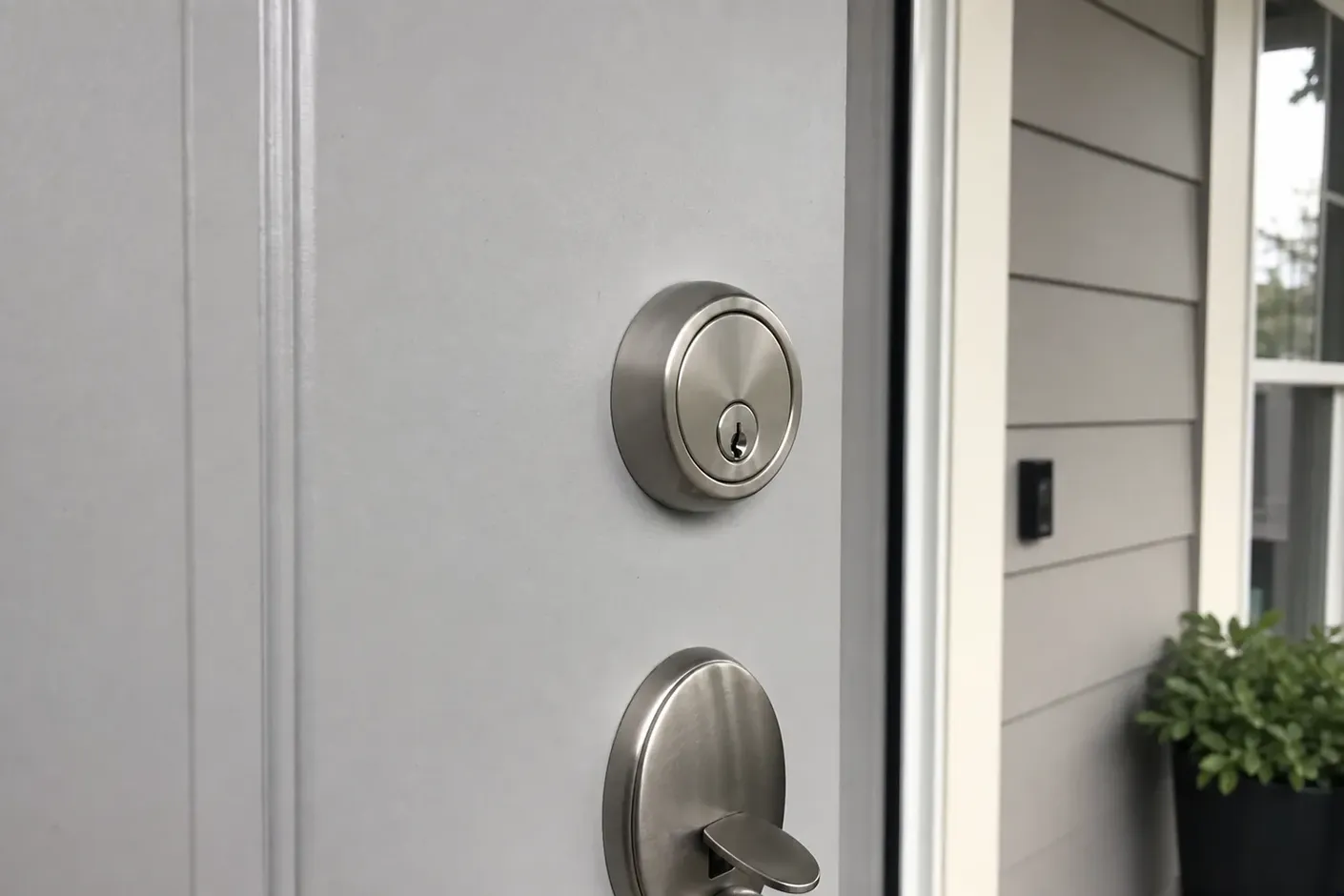
Homes in gated communities, condos, older houses off McGregor Boulevard, cars in any lot: tell us where, and a technician comes to that door. Beyond lockouts, every other lock on the house is covered under residential locksmith service.



Give us the gate code or let the gatehouse know we're coming, so the technician isn't held at the entrance.
Late calls get the same order and the same checks as daytime ones.
Four steps, the same every time.
Where you are, which door or car, and whether anyone is shut inside.
An arrival window when you call, and a call from the technician before arrival.
A photo ID with the address, or papers that tie you to the home or car.
Once you're in, the lock is looked over; if it caused the lockout, you hear that.
Someone shut inside, a pet in a hot car, or a door you can't leave open: say it first.
Yes, if the gatehouse knows we're coming or you give us the code. Tell us which community when you call.
A photo ID with the address, a lease, or the association's confirmation for a condo.
Tell us the street or the parking lot and have the registration ready. Most cars are opened where they're parked.
Yes, with proof you live there. Some associations like to be told first.
It gets checked once you're in. A loose or worn lock is often the reason for the lockout.
Yes, from your key or from the lock.
Yes. Calls after dark get the same steps as any other.
Yes. The estimate is free, and it comes before anything is done.
Locks that sit unused in humid air often stiffen. Once you're inside, the lock is cleaned or replaced so it works reliably again.
Only with the owner's OK, confirmed directly with the owner before the door is opened. It's slower than handing over a key, and that's the point.
Tell us when you call. The technician confirms who he is with a family member or the community office, and makes sure he's inside and settled before leaving.
Yes, with ID that matches the unit's rental agreement, and the facility's OK where its rules require it.
Marina and dock gates usually belong to the marina, and the office holds the key or the code. For a gate or a dock box that's yours, we can help once you show it's yours.
Some condo associations keep a master key or have rules about who changes a lock; if yours does, the manager's number helps. In the older houses near the river, doors have often settled over the years, and a latch that barely catches is a lockout waiting to happen.
Either way, the fix once the door is open is usually small: a strike adjusted, a latch replaced, a spare key made.
After a hurricane or a summer away, locks that sat in wet, salty air can seize, and doors swell until the latch no longer lines up. People come back, the key won't turn, and they assume it's the wrong key. Often it's the lock, and it gets looked at once you're inside.
If your home was repaired after a storm, think about who had keys during the work: roofers, drywall crews, restoration companies, the neighbor who let them in. A lockout visit is a good moment to have the locks rekeyed so those keys stop working.
What to have ready: ID with the address, the gate code or the gatehouse's number, and for a condo, the association's contact. You're left with a working door, a lock you know the condition of, and a spare if you want one.